Key Takeaways
- Staying past 30 nights shifts a hotel from a travel stop to a temporary home, and apartment-style rooms handle that far better than standard ones.
- The trade-off is a higher cost per square meter in exchange for zero setup, full amenities, and complete flexibility.
- Monthly rates are rarely advertised, so always ask, and ask what else is flexible while you are at it.
- Small routines outside the room, and a few personal touches inside it, are what make a long stay feel like living somewhere rather than visiting.
- Ratchada suits long stays well, with MRT access, everyday conveniences, and more space for the money than central tourist areas.
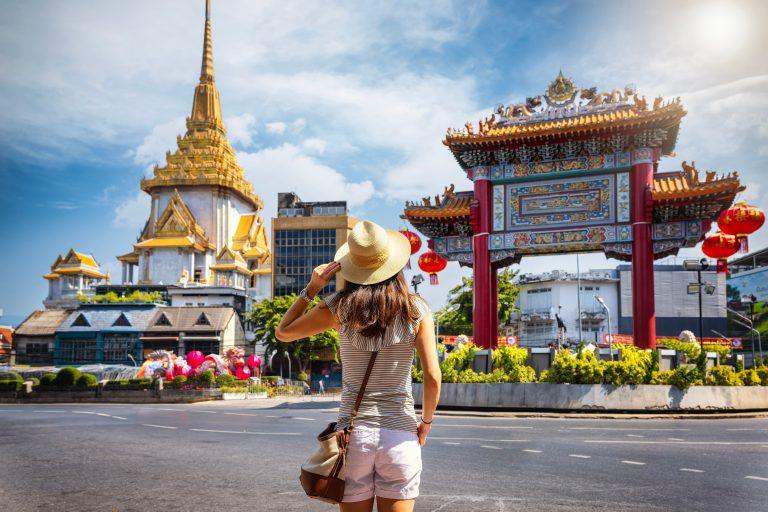
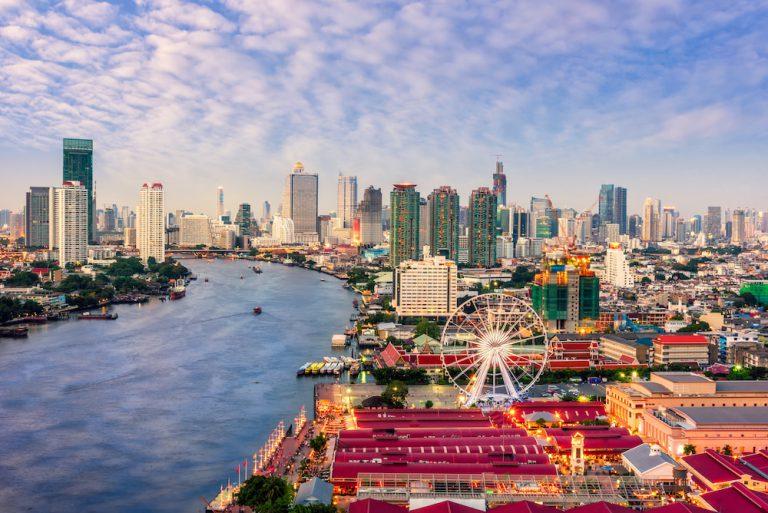
Many individuals are choosing not to sign leases and are opting for extended stays in hotels instead, whether for a relocation, a stretch of remote work, or a holiday that keeps getting extended. Bangkok is one of the easier cities to make that work, with plenty of apartment-style hotels priced sensibly for longer stays.
Here is what to expect from long-term hotel living, the honest pros and cons, and a few hacks that make the stay more comfortable.
What Living in a Hotel Long Term Looks Like
Anything past 30 nights starts to feel less like a trip and more like home. At that point, the things that matter change. Storage, laundry, and somewhere to cook stop being nice extras and start being daily necessities.
The format that works best is an apartment-style hotel rather than a standard room. Think serviced apartment with hotel services attached. People usually end up here for a relocation, contract work, digital nomad life, or a holiday that turned into something longer.
The Pros and Cons of Living in a Hotel
The biggest plus is simplicity. No deposit, no utility setup, no furniture to buy, no moving truck. You walk in, drop your bags, and you are home. Housekeeping, fresh linens, fast internet, security, and the on-site amenities all come with the room. Flexibility is the other major benefit, as there is no lease and no penalty for leaving early.
The downsides are worth weighing honestly. The main one is cost per square meter, which tends to run higher than a rental of the same size, although the included services close much of that gap. You also get less personalisation, since hanging things, repainting, or bringing pets is usually off the table. Storage is the quiet challenge, as hotel wardrobes are not built for someone actually living there.
Smart Hacks for Long-Term Hotel Living
A few small habits make a long stay far more comfortable, and they start at the booking stage. Always ask for a monthly rate, as these are usually well below nightly prices but rarely advertised. Then ask what else is flexible, whether that is late check-out, laundry credits, or breakfast included.
Make the room feel personal with a plant, a framed photo, or your own lamp. Build small routines outside the hotel, such as a regular coffee shop, a market run, or an evening walk on the same route. Get to know the housekeeping schedule so a fixed cleaning day means no surprise interruptions during work hours. And pack light but smart, since a power strip, a few clothes hangers, and a good pair of slippers make any room more livable.
How to Live in a Hotel in Bangkok
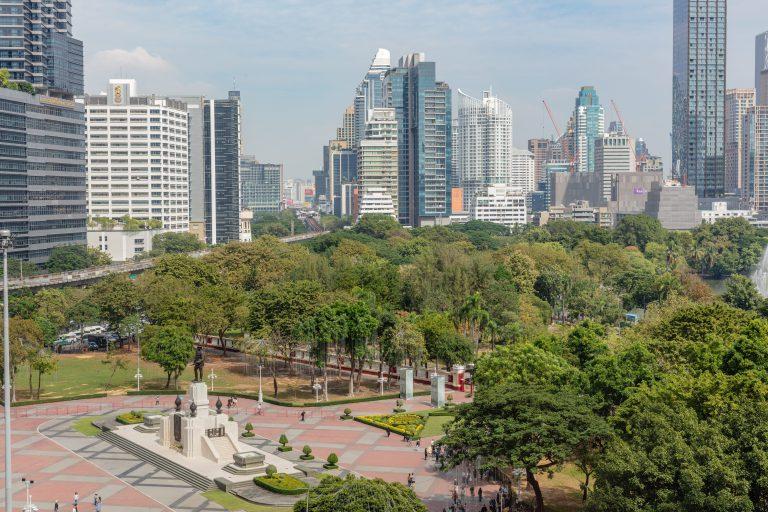
Start with the neighborhood, then choose the hotel. Sukhumvit, Sathorn, Ari, and Ratchada each suit a different lifestyle. Ratchada works well for long stays, as it is well connected by MRT, has plenty of food and shopping, and tends to cost less than central tourist areas for the same size of room.
Once you have settled on an area, a little setup makes the move feel like home. Sort your visa before settling in, since visa-free entry rules vary by nationality and are reviewed often, so always check the latest rules with your embassy or the Thai Ministry of Foreign Affairs. Then use your first week to lock in the basics:
- A regular gym time and a nearby park or route for walks
- The nearest convenience store, clinic, and pharmacy
- A laundry option, if the room does not have one
With those in place, the city starts to feel familiar fast.
What to Look for in a Long-Stay Hotel
Not every property is built for weeks or months at a time, so it helps to work from a shortlist of essentials:
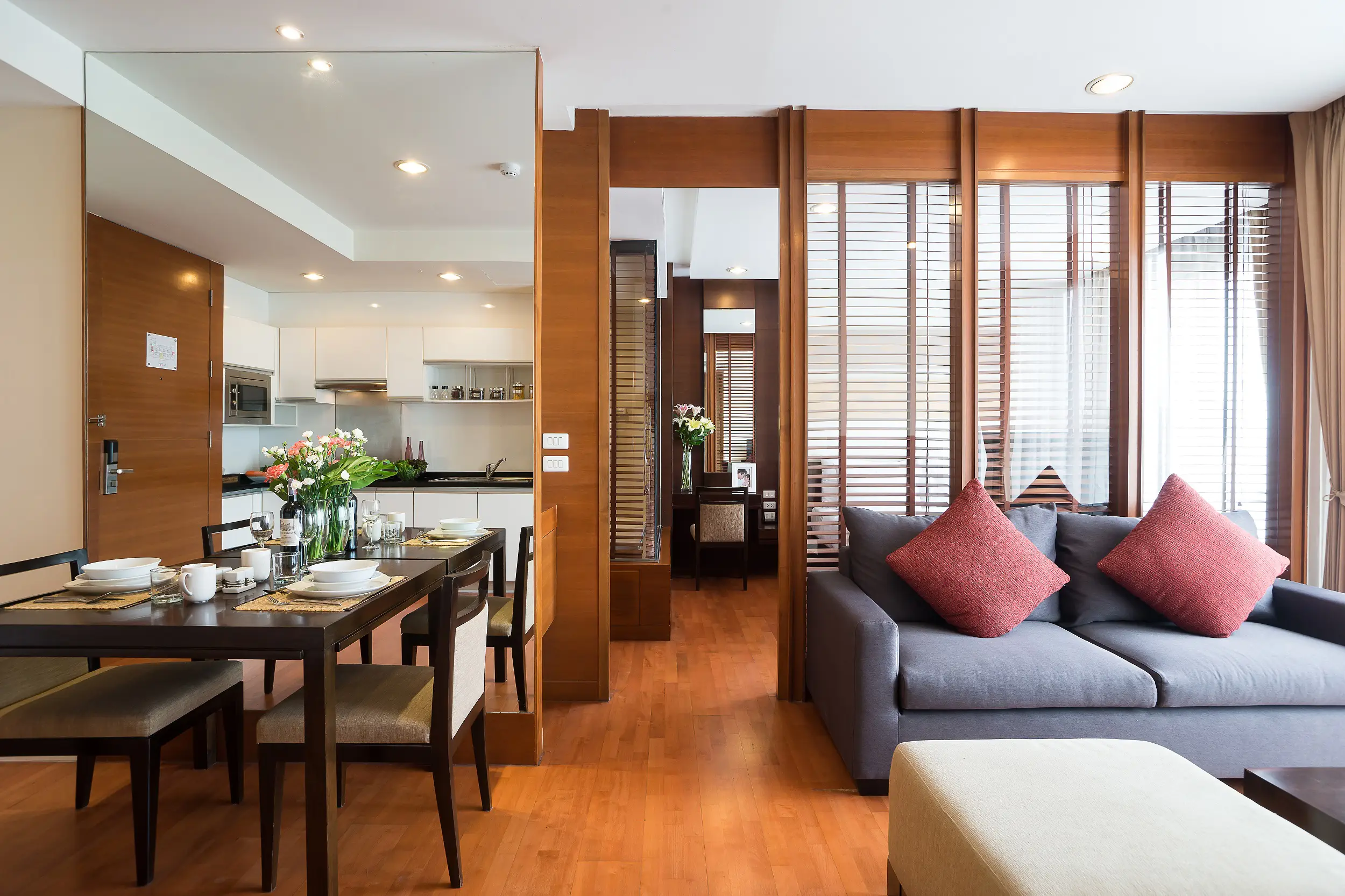
- An apartment-style room with a kitchen, a separate living area, and a balcony
- A washer-dryer in the room, or affordable laundry on-site
- Fast, reliable internet for remote work
- A pool and gym on the property, so you do not need a separate membership
- A 24-hour front desk and security
- A walkable MRT or BTS station, ideally within five to ten minutes
It is also worth asking how billing works over a long stay, whether rates are quoted weekly or monthly, and what happens if you need to extend. On a long stay, walking to the train every day beats sitting in Bangkok traffic.
Making Your Extended Stay Feel Like Home
Living in a hotel long-term means trading a higher cost per square meter for zero setup, full amenities, and complete flexibility. For relocations, remote work, and extended stays, that trade-off often makes sense.
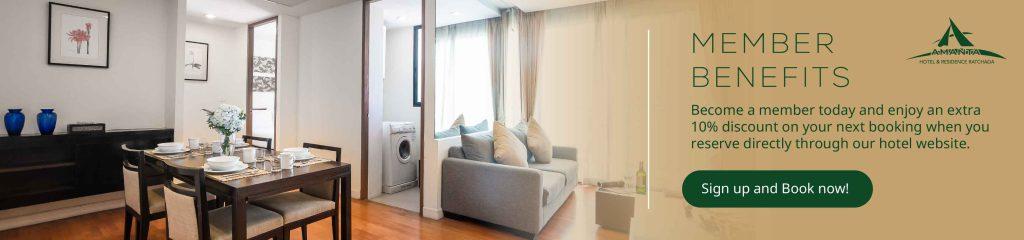
However, having the right room is the key to making it feel like home. Amanta Hotel & Residence Ratchada is a hotel in Ratchada with a gym and pool, apartment-style suites from 54 to 96 sqm, in-room kitchens and washer-dryers, daily housekeeping, and The Breeze Restaurant on-site, all five minutes from MRT Thailand Cultural Centre.
If a longer stay in Bangkok is on your mind, explore our long-stay hotel suites in Ratchada and book direct for the best rates.
References:
It’s Definitely Possible to Live in a Hotel Long-Term. Here’s How. Retrieved 9 June 2026, from https://www.yahoo.com/lifestyle/articles/definitely-possible-live-hotel-long-150000315.html
Frequently Asked Questions About Living in a Hotel Long Term
Q: Is it cheaper to live in a hotel long term in Bangkok than to rent?
A: For short to medium stays, the gap is often smaller than people expect, since a hotel includes utilities, WiFi, furniture, and housekeeping. Over a year or more, a standard rental usually works out cheaper per square meter, so the best value depends on how long you plan to stay.
Q: How long can you stay in a hotel in Thailand?
A: There is no hotel limit on how long you book, but your stay in the country is tied to your visa. Visa-free and visa rules vary by nationality and are reviewed regularly, so confirm the latest requirements with the Thai Ministry of Foreign Affairs or your embassy before a long stay.
Q: Do long-stay hotels in Bangkok have a kitchen and laundry?
A: Apartment-style and serviced hotels usually do. Look for an in-room kitchen and either an in-room washer-dryer or affordable laundry on-site, since both make a longer stay far more practical than a standard hotel room.
Q: Is Ratchada a good area for a long hotel stay?
A: Yes. Ratchada is well connected by the MRT Blue Line, has plenty of food, markets, and shopping, and tends to be cheaper than the central tourist zones for the same size of room, which makes it popular for longer stays.